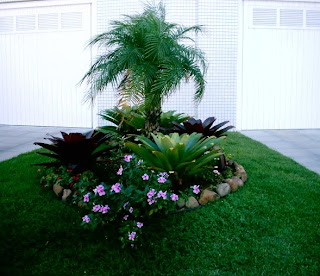
Whether you are a newbie at gardening or a pro, the following tips will certainly be handy. The post below is part of an article written by Hege Crowton, an expert copywriter,who is known for doing in-depth research before writing her articles.
"Gardens come in different varieties like the plants you find in them. There are several gardening tips that can be used for all types of gardens.
1.Mulching protects your garden topsoil from being blown away. It also provides nutrients as it decomposes and improves the appearance of your gardens. Mulching has other benefits and is one of the most recommended gardening tips by gardeners and farmers alike.
2.Healthy plants are more disease resistant. Plants are like people, a person with a strong immune system can combat diseases. A healthy plant does the same.
3. Pests can be eradicated by cleaning the plant with a watery solution of soap. Just make sure to rinse after. This gardening tip is best heeded for fruit bearing trees or edible plants.
4. Using compost fertilizers are a great way to have healthy plants. It is also a great way to save money on expensive fertilizers. Non -organic fertilizers also tend to leave chemical residues that can accumulate in garden soils and harm not only the plants but the gardeners as well. They cause toxins to go to the water supplies. Another gardening tip recommended not just by farmers and gardeners but also by environmentalists."
To learn more about composting, you may check out last Tuesday's post (March 16th).
Too bad! Yesterday I failed to post the second part of Fran Barnwell's article on composting. Sorry, everyone! But here it goes; check out what she has to say about items that must not be used in composting.
"What NOT to compost:
- all meat products and bones; bread, cooked food - these will attract vermin
- dog or cat waste
- woody material - which takes too long to compost
- weeds - these can 'infect' your compost with their seeds
- anything that is non-biodegradable, such as plastic.
And because you won't always feel like taking a trip to the compost heap when it's wet or cold or every time you peel vegetables why not keep a lidded container by the back door which you can fill up and then make the trip to the compost bin every one or two days?
Over a period of time - 3 months to 1 year, depending on conditions - all this matter will have broken down into lovely dark brown crumbly compost, which you can fork into your beds and borders. It makes an excellent soil conditioner and can be used as surface mulch, helping conserve moisture and discourage weeds.
You can also convert fallen leaves into wonderful compost. Rake up any leaves from your lawn - you may have to do this several times over the autumn - and collect them from the borders. Put them all into a black waste sack, sprinkle with water, put a few holes around the sack with a fork, tie the top, and leave it in a corner for about a year. What you end up with is known as leaf-mould."
Fran Barnwell
About the author:
If you want step-by-step tips and advice to start gardening, you may sign up for her free ezine, or order her eBook 'The Ultimate Guide to Gardening for Beginners' at www.NewToGardening.com


